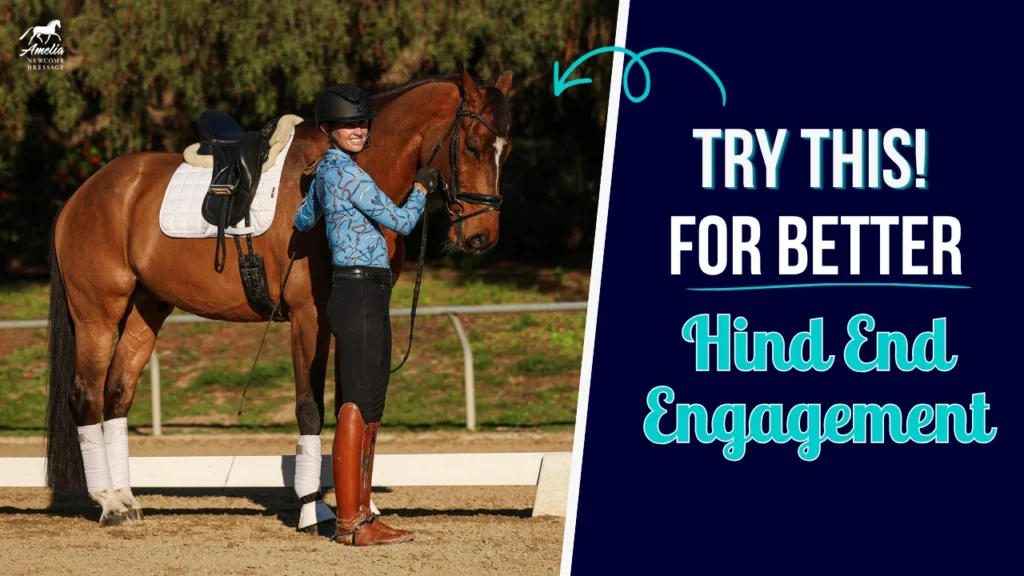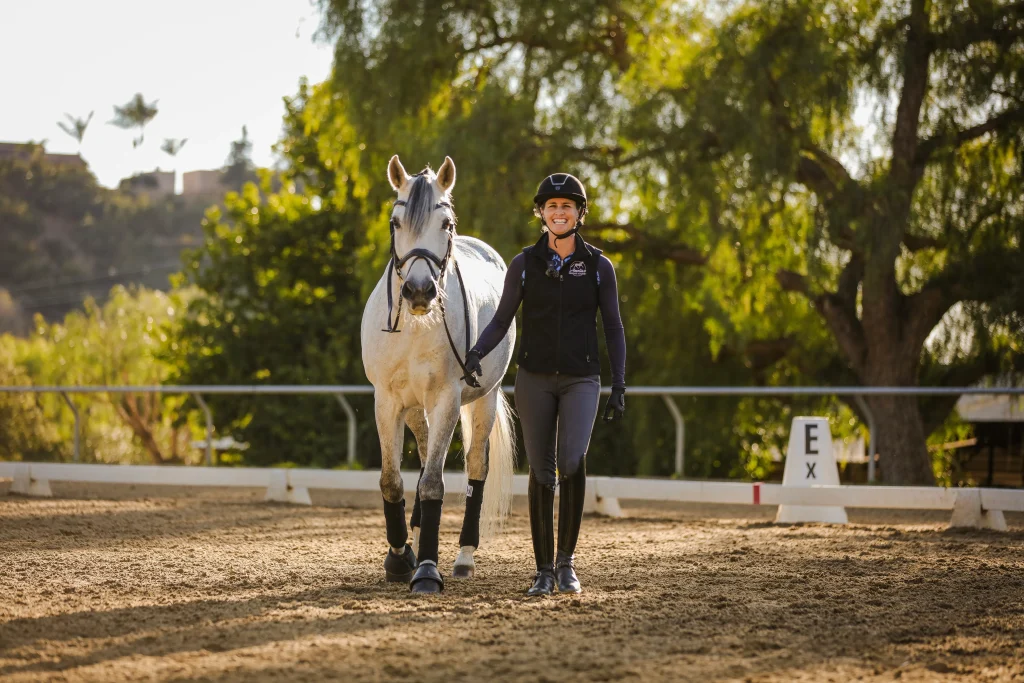
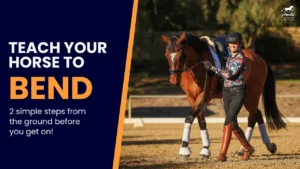










If your horse is stiff, heavy, tense, or nervous, groundwork is one of the best ways to start improving your horse’s suppleness and responsiveness before you even get in the saddle. In this video, I’m sharing two simple groundwork exercises that will help your horse understand how to bend, respond to your aids, and become softer and more relaxed.
If you want to incorporate more groundwork into your training routine, be sure to check out my Groundwork Superpack Course! It’s a great way to learn exercises you can use with your horse to build a stronger foundation before you even get in the saddle.
Groundwork is a huge part of my training program. Whether I’m working with a young horse, a green horse, or an FEI horse, I incorporate in-hand work into my daily and weekly routine. Teaching your horse to bend from the ground is especially helpful because it allows them to figure out how to use their body without the added weight of a rider.
Why Groundwork Helps Your Horse Understand Bend
When you’re riding, asking your horse to bend can be challenging, especially if they’re already stiff or tense. Your weight adds pressure to their back, which can make it harder for them to figure out how to bend correctly.
By starting on the ground, you can break the process down into smaller steps. Your horse can learn to respond to rein pressure, soften through the neck, and begin moving their body away from pressure before you ask for those same responses under saddle.
Bending is also important for relaxation, controlling your horse’s forward energy, and eventually developing a rounder, more connected way of going.
Groundwork Exercise 1: Teach Your Horse to Bend the Neck
The first step is simply teaching your horse to follow the inside rein and bend their neck.
Start by positioning yourself behind your horse’s shoulder, behind the drive line. Take a little contact on the inside rein and gently vibrate the rein if needed. The moment your horse gives even slightly and turns their head toward you, release the pressure.
I teach this using four simple steps: Aid, Reaction, Release, Repeat.
The aid is the pressure you apply with the rein. The reaction is your horse bending their neck, and the release is you immediately softening the contact. Then you repeat the exercise.
The timing of the release is incredibly important. You want your horse to understand that when they respond to the pressure, the pressure goes away.
If your horse leans into the rein or gets distracted, be patient. Sometimes I’ll steady my hand against the saddle and simply wait for the horse to soften.
As soon as they give, I release and reward them.
Practice this on both sides. Eventually, you want your horse to be able to bend their neck around toward the saddle without resistance. This is more bend than you’d normally ask for when riding, but it’s a useful way to teach your horse to follow the rein rather than brace against it.
Groundwork Exercise 2: Teach Your Horse to Move the Hindquarters
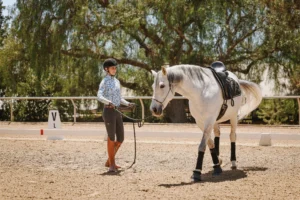
Once your horse understands how to bend their neck, the next step is to introduce movement through the body.
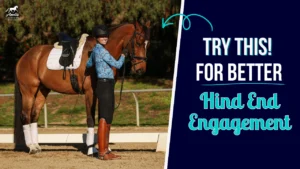
Start by asking for that same simple neck bend. Then use your hand to apply a little pressure where your inside leg would normally go when riding.
You can give a few gentle bumps until your horse steps their inside hind leg over and across. The moment they take that step, release the pressure and reward them.
This is the beginning of teaching your horse the concept of inside leg to outside rein, something we talk about all the time in Dressage.
Instead of expecting your horse to understand all the aids at once, you’re breaking them down into something simple. First, your horse learns to follow the rein. Then, they learn to move their body away from the leg aid.
These two groundwork exercises help your horse understand the individual aids before you start combining them under saddle.
How to Transfer Groundwork for Horses into Your Riding
One of my favorite things about groundwork is that you can replicate so many of the same rein and leg aids you use when riding.
When your horse learns to respond to those aids from the ground, it becomes much easier for them to understand what you’re asking once you’re in the saddle.
You don’t need to spend hours practicing. Even a few minutes of these exercises before you ride can make a difference. The important thing is to be consistent, patient, and quick to reward the correct response.
I’m still working on improving these responses with Nebo, too! Sometimes he takes a little longer to soften or step over, but that’s exactly why I keep practicing.
Remember, the goal isn’t to force your horse into a bend. It’s to help them understand how to respond to your aids, relax their body, and become more supple over time.
I hope you’ll give these groundwork exercises a try!
Happy Riding!
Amelia
P.S. If you want to take your groundwork to the next level, be sure to check out my Groundwork Superpack Course! I’ll walk you through practical groundwork exercises to help improve your horse’s focus, responsiveness, suppleness, and engagement so you can build a stronger connection with your horse both on the ground and in the saddle.