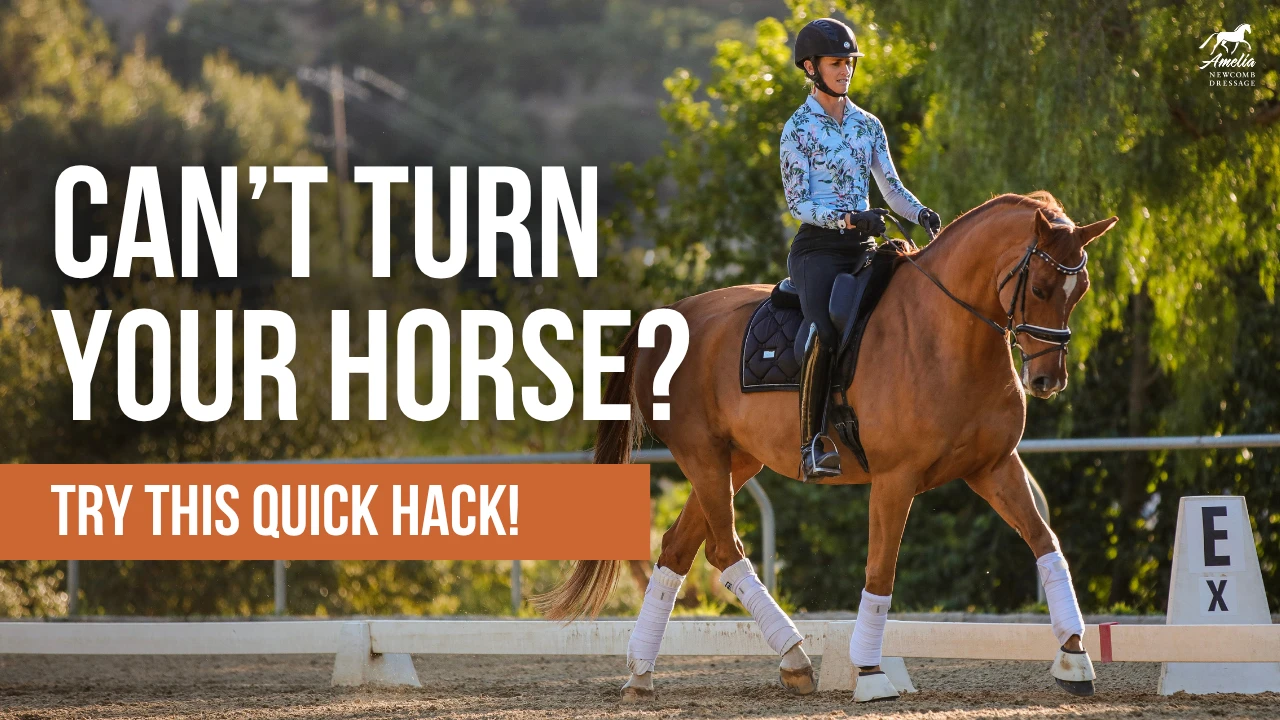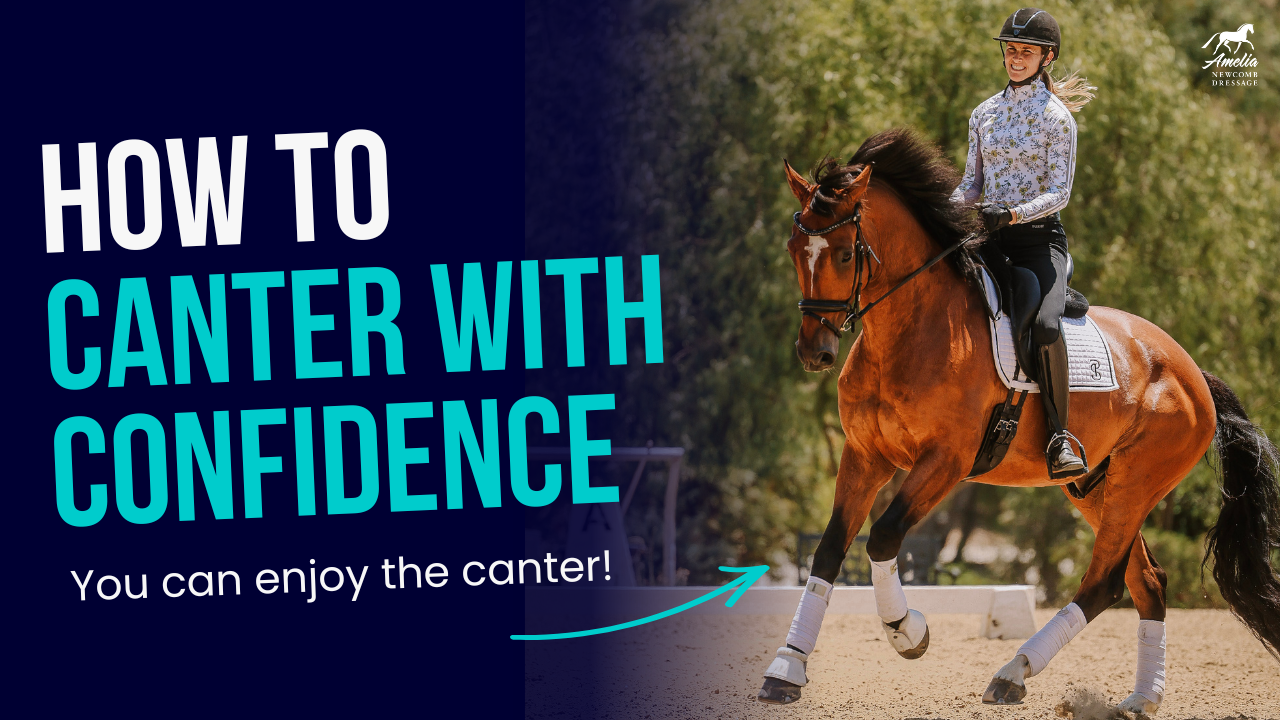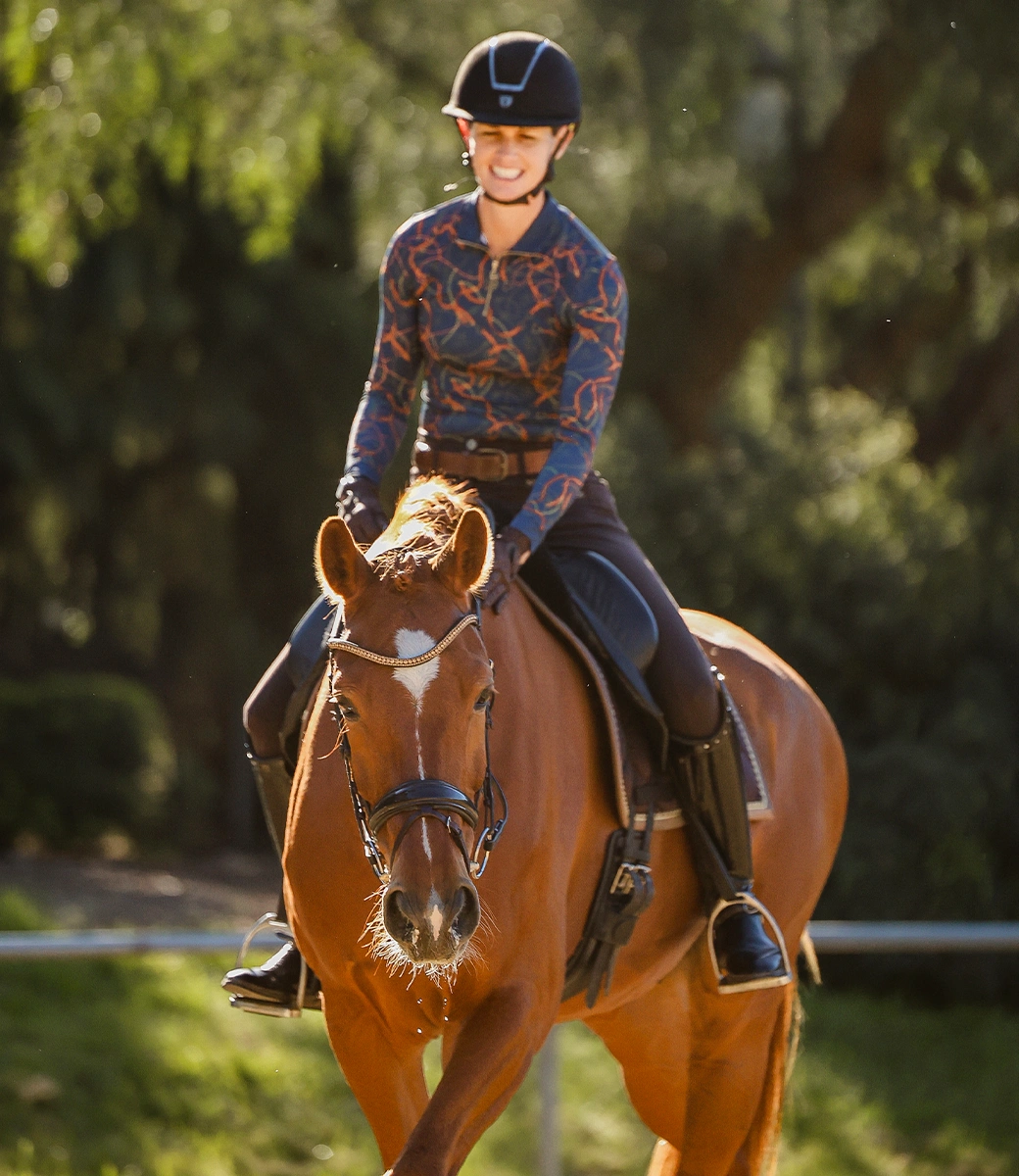



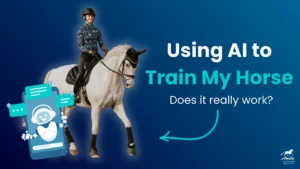







If you struggle with messy canter-to-trot transitions or a horse who rushes into a big trot, this one’s for you. I decided to try something different and use Claude AI to help plan my ride, including troubleshooting our transition issues in real time. In this video, I ask AI everything from how to mount up to how to warm up a hot horse, then dig into specific advice on canter-to-trot transitions and the half-halt. I break down what AI got right, what it missed, and why riding still comes down to reading your individual horse.
The Half-Halt
AI’s answer on the half-halt was a decent starting point: sit deep, squeeze your core and legs, take a light feel on the reins for a second or two, then release.
Where AI fell short:
- A half-halt has to happen in rhythm with the stride, not as an isolated moment
- The balance of leg, seat, and hand changes horse to horse:
- With Ellie, too much rein breaks her to the trot, so mine is almost all leg and seat
Canter to Trot Transitions
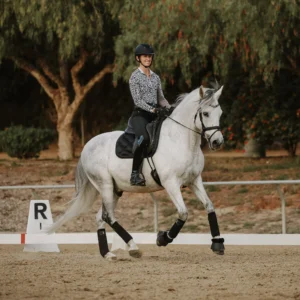
AI assumed my horse was resisting or having a small tantrum in the downward transition. My take is different; AI can give a reasonable framework, but it has no idea what your horse’s personality or specific issue actually is.
Where AI fell short:
- I think Ellie genuinely doesn’t understand the aid yet, rather than being defiant
- She tends to swing her haunches out, especially to the left, which points to a straightness issue
AI’s Recommended Exercise: Four Stride Transitions
AI suggested cantering four strides, trotting four strides, repeating; then shortening the count as the horse improves.
- In theory, this builds balance and keeps the horse listening
- In practice, four strides wasn’t enough time to rebalance, and Ellie started pinning her ears
- My recommendation: Ten strides in each gait would likely have been a more realistic starting point
Watch the full video to see how this AI training experiment played out in real time, half-halts, transitions, and all.
Happy Riding!
Amelia