


















Aids for a Flying Change
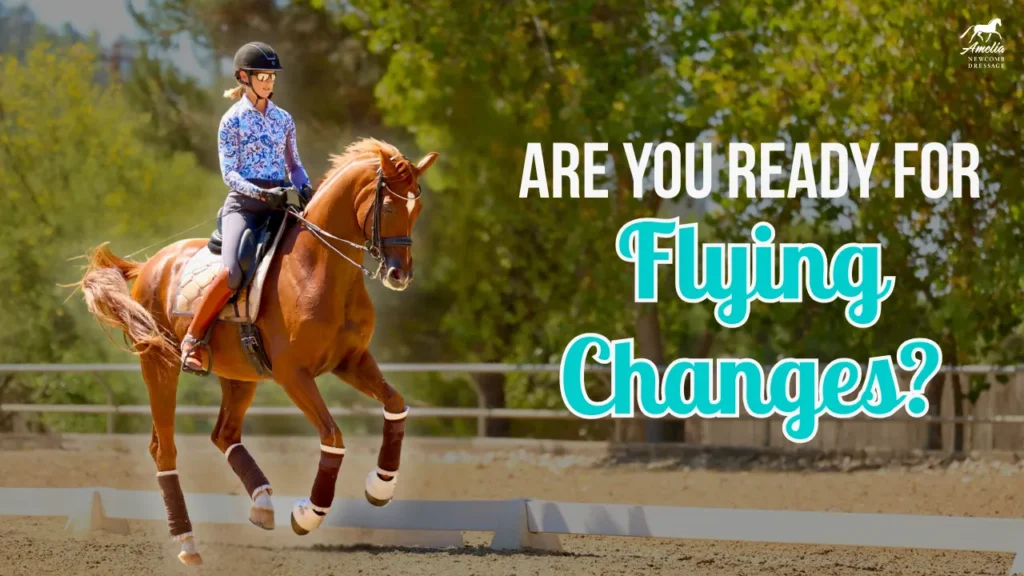
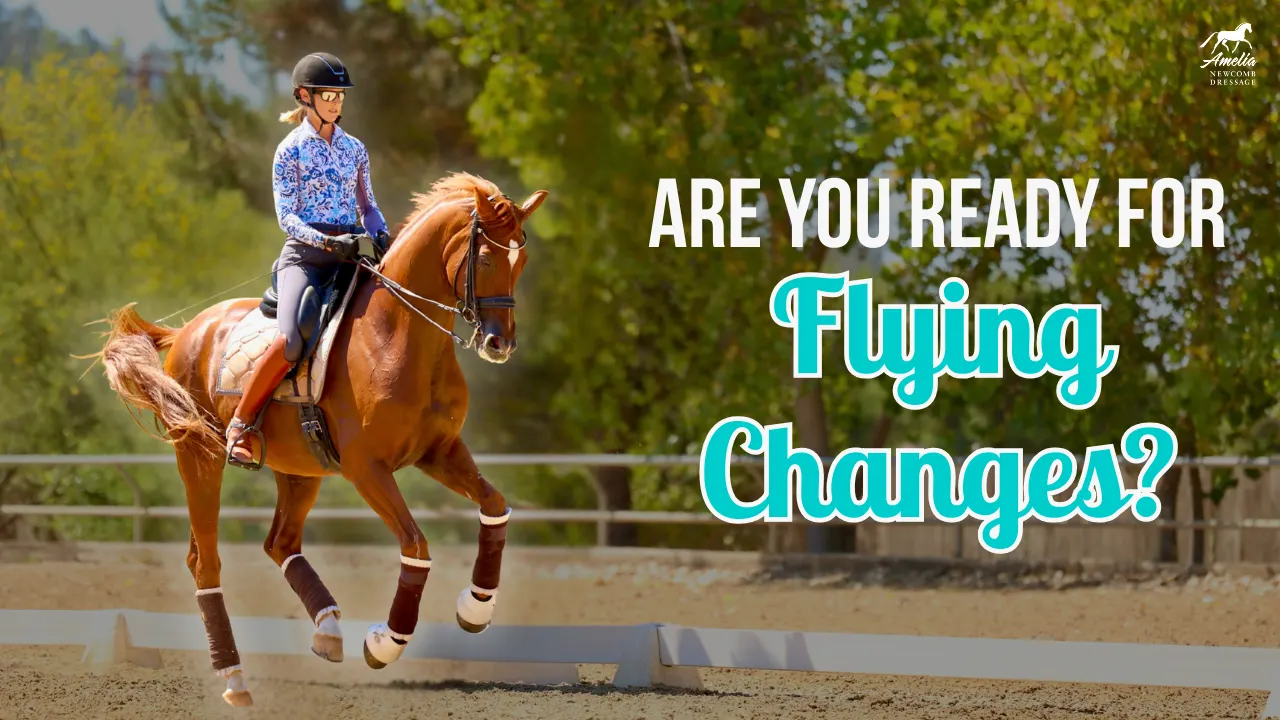
What actually tells your horse to do a flying change? It comes down to one thing: your leg position switching at the right moment. Getting the correct aids and timing right is what separates a clean change from a confusing cue. In this video, I break down the correct aids for a flying change using my horse Gatsby to demonstrate leg position and timing.
Correct Leg Aids
Before the flying change aid makes sense, you need to know canter leg position.
For reference:
- Right lead canter: right leg at the girth, left leg behind the girth
- Left lead canter: left leg at the girth, right leg behind the girth
- Slightly more weight on your inside seat bone
This leg position tells your horse the lead, and this is the foundation the flying change aid is built on.
The Correct Aids for a Flying Change
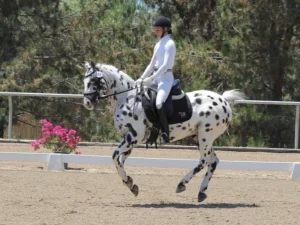
A flying change happens when your leg position switches from one canter position to the other. If you’re in right lead with your left leg back, the aid is simply swapping that position: left leg to the girth, right leg back. The tricky part is timing. You need to switch your leg position at the exact moment your horse is coming up off the ground.
Key points:
- Switch leg position as the horse lifts off the ground, not after
- The correct aids are simply the mirror of your current canter position
- Clean timing depends on a quality canter stride with adequate jump
Simple Changes Build the Foundation
Start with simple changes to prepare for a flying change. Ride a half diagonal, transition to walk, then pick up the new lead. This works because the aid for a walk to canter transition is the same aid used for the flying change. Practicing this connection helps your horse understand the leg position aid before you ask for a change within the canter itself.
Happy Riding!
Amelia