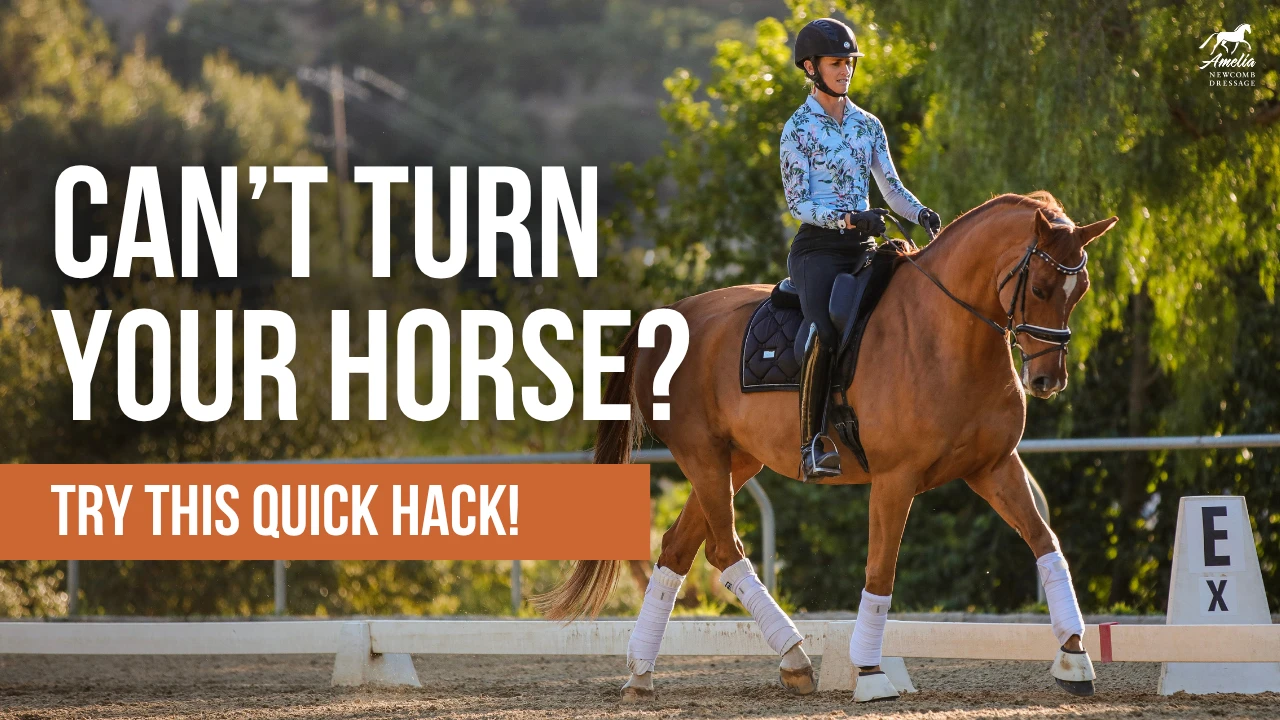





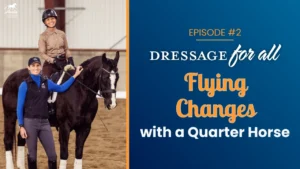
Welcome back to Episode 2 of my Dressage For All series!
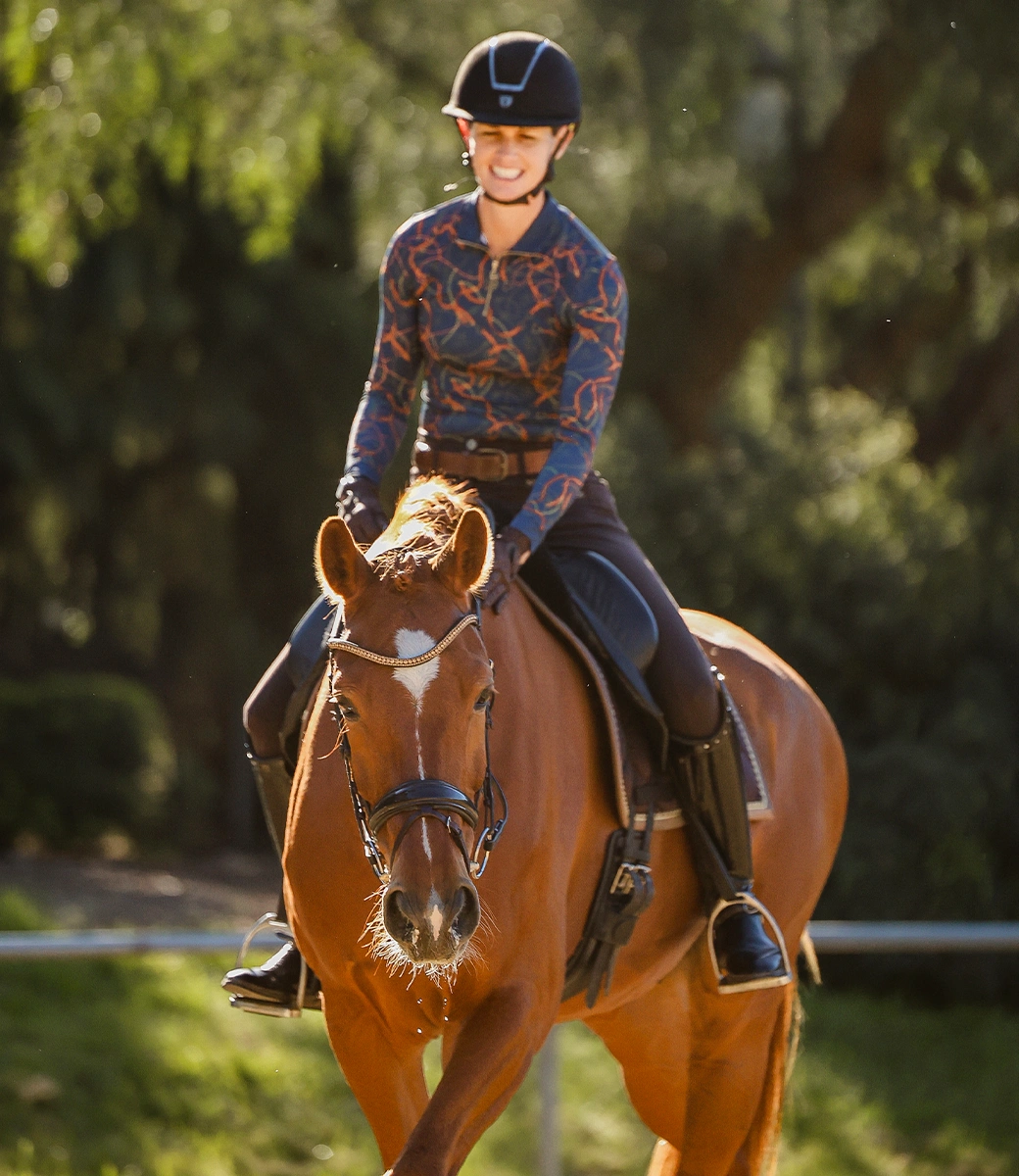
This month, I’m highlighting students and their horses from a variety of breeds to show that Dressage is for all. These aren’t professional riders on Grand Prix horses. They’re real riders working through real challenges with horses they love. My goal is to help you see that no matter your horse’s breed, age, or experience level, Dressage can help you build a better partnership.
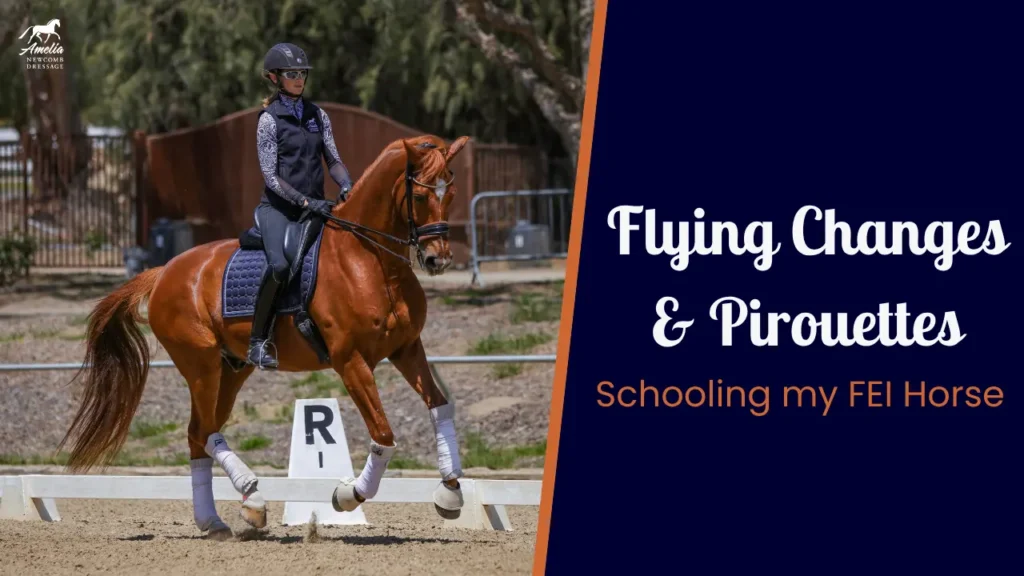
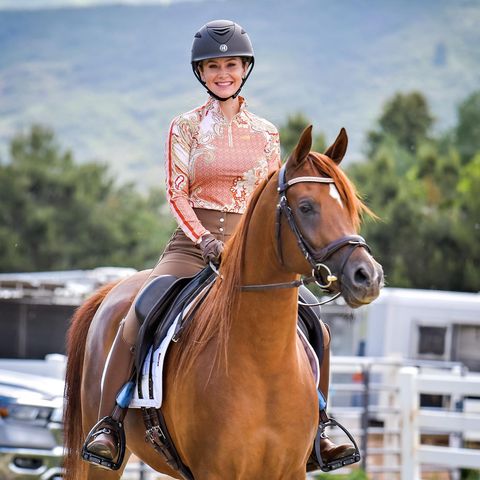
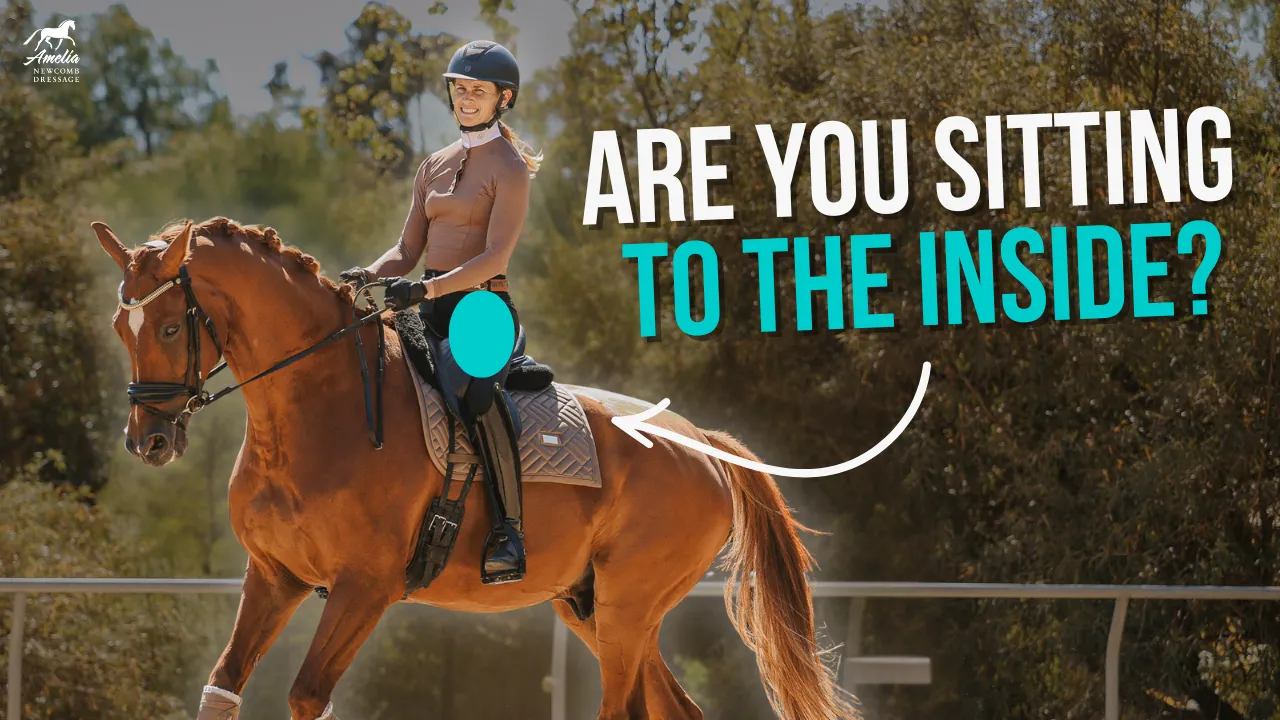
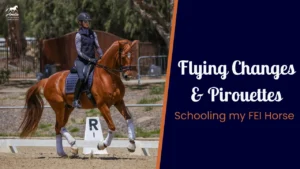
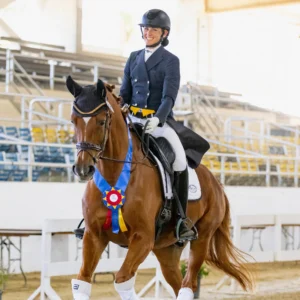
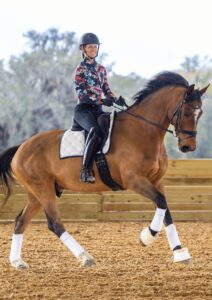
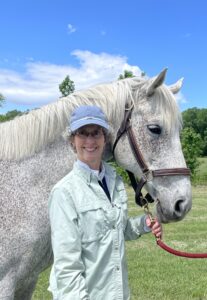
In this episode, I’m working with Cindy and her Quarter Horse, Jack. Together, we’re tackling canter half passes and flying changes. It’s a great reminder that Dressage isn’t just for Warmbloods. Many different horse breeds can learn advanced Dressage movements when the training is done correctly.
Before we dive in, be sure to download my Free 10 Dressage Terms PDF. It’s a simple guide that will help you better understand concepts like contact, connection, half-halt, throughness, and more, so you can get more out of your training.
Improving Flying Changes in Dressage
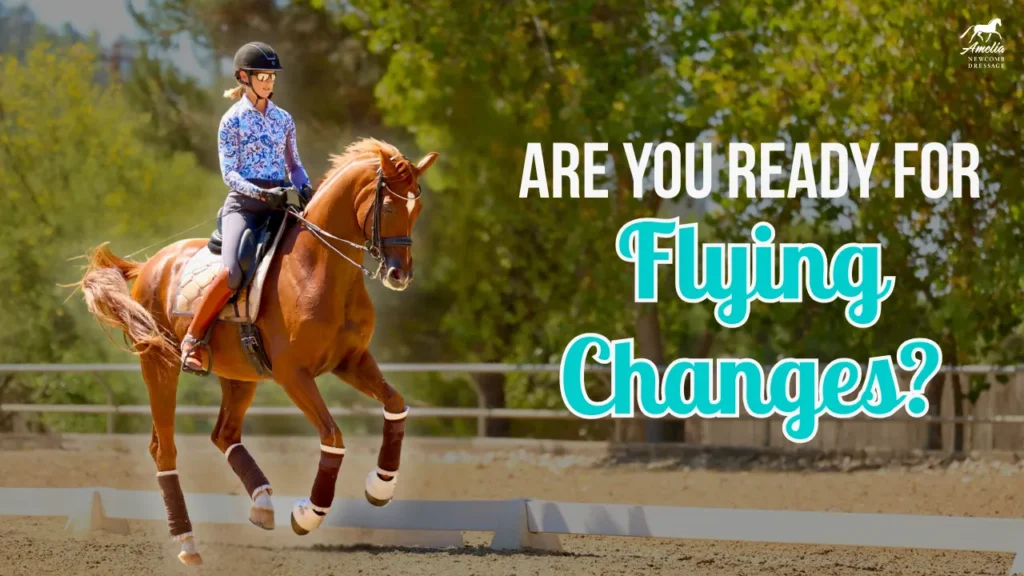
In Dressage, one of the biggest challenges with flying changes is that so many pieces have to come together at once. The horse must be straight, balanced, and attentive to the aids before the change can happen successfully.
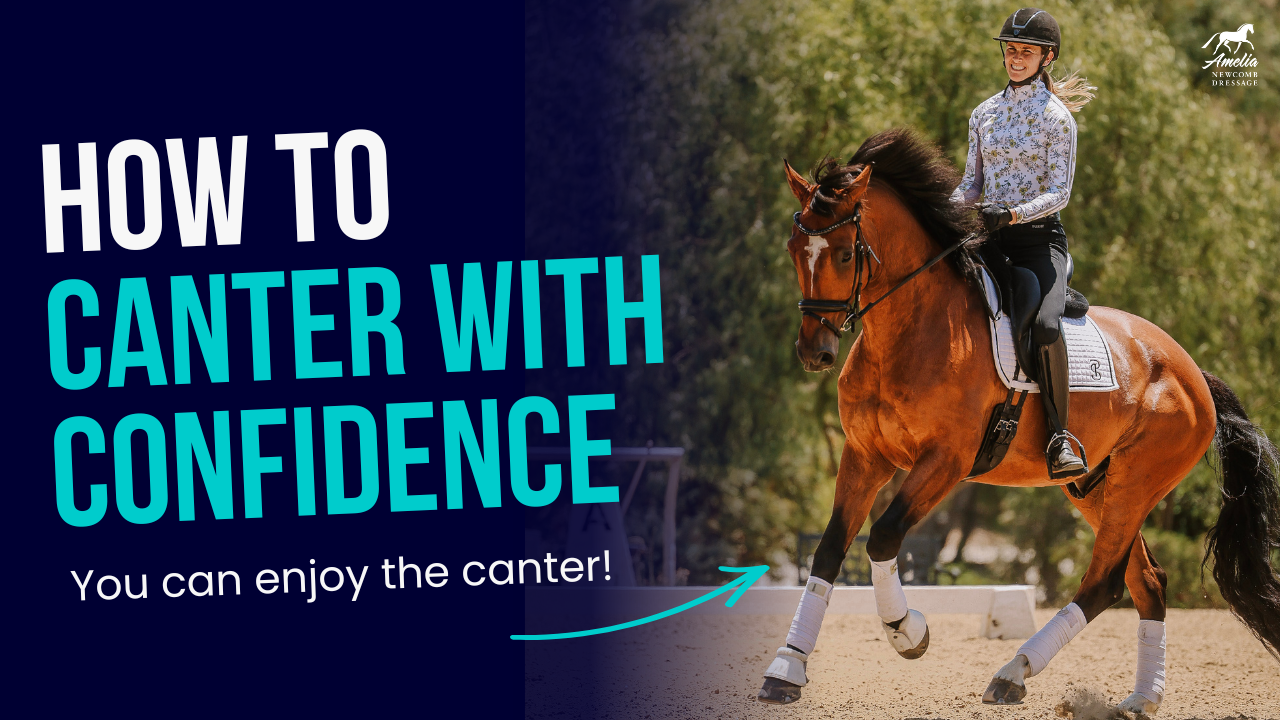
In this lesson, we focused first on improving the quality of the canter. A balanced, jumping canter makes everything easier. From there, we worked on canter half passes and shoulder-fore positioning to help Jack stay organized and prepared for the flying change.
What Different Horse Breeds Can Teach Us About Dressage
One of the things I loved about this lesson was showcasing a Quarter Horse performing advanced Dressage movements. Riders often assume that only certain dressage horse breeds can succeed at the upper levels, but Jack is proof that good training matters more than breed.
The goal isn’t finding the perfect horse. The goal is to develop the horse you have and build a partnership based on trust, confidence, and clear communication.
The Key to Better Flying Changes in Dressage
The biggest lesson from this ride is to break complicated movements into smaller pieces. Before asking for a flying change, make sure you can straighten your horse, change the bend, and organize the canter within a few strides. When you focus on quality canter, correct positioning, and clear preparation, flying changes become much more reliable and much less intimidating.
Happy Riding!
Amelia
P.S. Don’t forget to download my Free 10 Dressage Terms PDF. It’s a great resource to help you better understand the language of Dressage and feel more confident in your training.